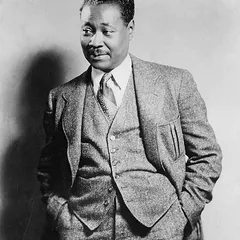
Meet the Author
Claude McKay
Jamaican-born American · c. 1889–1948 · Poet and novelist
Portrait: James L. Allen, Public domain, via Wikimedia Commons
A Jamaican-born poet and novelist whose sonnets of Black defiance helped open the way for the Harlem Renaissance.
1 StoryBites Edition1 Poem
Why read Claude McKay?
McKay poured anger at racist violence into the old, formal shape of the sonnet. If We Must Die, published during the attacks on Black communities in the summer of 1919, calls on the persecuted to fight back with dignity even when far outnumbered. Read it for the tension between its strict form and its fierce message.
A life in six dates
- c. 1889Born in Clarendon Parish, Jamaica
- 1912Publishes Songs of Jamaica and Constab Ballads, and moves to the United States
- 1919Publishes If We Must Die in The Liberator
- 1922Publishes the poetry collection Harlem Shadows
- 1928Publishes his first novel, Home to Harlem
- 1940Becomes a U.S. citizen
- 1948Dies in Chicago
Themes across the work
The StoryBites Editions
Context that actually matters
The Red Summer of 1919White mobs attacked Black communities in many American cities that year, and the poem appeared that July.
The Harlem RenaissanceThis 1920s flowering of Black art and writing centered in New York, and McKay’s poetry was an early influence on it.
The sonnet traditionMcKay chose a form tied to Shakespeare and English poetry to make a modern political argument.