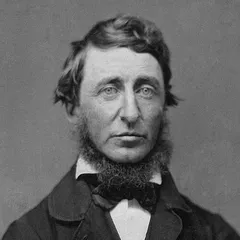
Meet the Author
Henry David Thoreau
American · 1817–1862 · Essayist and naturalist
Portrait: B. D. Maxham, Public domain, via Wikimedia Commons
A Concord writer who lived two years in a cabin at Walden Pond and went to jail rather than pay a tax.
1 StoryBites Edition1 Speech or essay
Why read Henry David Thoreau?
Thoreau argues that conscience matters more than law, and that paying taxes to an unjust government makes a citizen part of its injustice. Civil Disobedience grew out of his night in jail and his opposition to slavery and the Mexican War. Read it for its sharp, quotable sentences and for an idea later taken up by Gandhi and Martin Luther King Jr.
A life in six dates
- 1817Born in Concord, Massachusetts
- 1837Graduates from Harvard College
- 1845Moves into the cabin he built at Walden Pond
- 1846Spends a night in jail for refusing to pay his poll tax
- 1849Publishes Resistance to Civil Government, later known as Civil Disobedience
- 1854Publishes Walden
- 1862Dies in Concord
Themes across the work
The StoryBites Editions
Context that actually matters
The Mexican-American WarMany opponents saw the 1846 to 1848 war as a way to spread slavery, and Thoreau refused to support it with his taxes.
TranscendentalismThoreau belonged to the Concord circle around Ralph Waldo Emerson, which trusted individual conscience and intuition over institutions.
AbolitionismThoreau opposed slavery throughout his adult life, and in 1859 he publicly defended the abolitionist John Brown.