Meet the Author
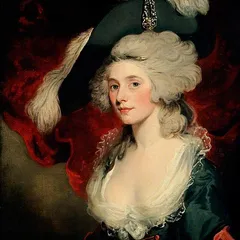
Mary Robinson
English · 1757–1800 · Actress, poet, and novelist
Portrait: Attributed to John Hoppner, Public domain, via Wikimedia Commons
A Bristol-born actress who became famous as Perdita, then remade herself as a working poet, novelist, and feminist writer in London.
1 StoryBites Edition1 Poem
Why read Mary Robinson?
Robinson turned to writing after her stage career and wrote quickly, for a living, in poetry, novels, and essays. London’s Summer Morning, printed in a newspaper months before her death, is a blank-verse catalog of the sounds and workers of a city street, from the sooty chimney-boy to the old-clothes man. Read it for its crowded imagery and for its last lines, where the poor poet wakes to write the scene.
A life in six dates
- 1757Born in Bristol
- 1775Publishes her first book, Poems
- 1776Makes her stage debut as Juliet at Drury Lane
- 1779Plays Perdita in The Winter’s Tale and draws the notice of the Prince of Wales
- 1799Publishes A Letter to the Women of England under a pen name
- 1800London’s Summer Morning appears in The Morning Post
- 1800Dies at Englefield Green, Surrey
Themes across the work
The StoryBites Editions
Context that actually matters
Celebrity in Georgian LondonNewspapers and print shops followed Robinson’s fashions and her affair with the future George IV, and she learned to use that fame.
Romantic-era poetryRobinson knew Coleridge and wrote in the years of Lyrical Ballads, and her city poems look closely at ordinary street life.
The Morning PostRobinson published many poems in this London newspaper in her last years, often under pen names or initials.