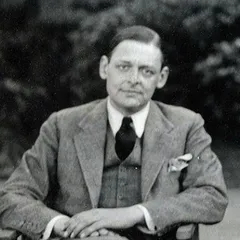
T. S. Eliot
American-born British · 1888–1965 · Poet, critic, and playwright
Portrait: Lady Ottoline Morrell, Public domain, via Wikimedia Commons
A St. Louis-born poet who settled in London, became a British citizen, and helped change English-language poetry with Prufrock and The Waste Land.
Why read T. S. Eliot?
The Love Song of J. Alfred Prufrock is a dramatic monologue by a timid, overthinking man who walks through a foggy city toward a question he never manages to ask. Eliot builds the poem from fragments, sudden shifts of scene, and allusions to Dante, Shakespeare, and the Bible, so it rewards a slow second reading more than a fast first one. Prufrock’s worries about age, embarrassment, and being misunderstood feel familiar, and much of the poem’s dry comedy comes from how carefully he talks himself out of acting. Read it as an early and clear example of the fragmented style that marked modernist poetry.
A life in six dates
- 1888Born in St. Louis, Missouri
- 1914Moves to England after graduate study at Harvard
- 1915Poetry magazine publishes Prufrock, with help from Ezra Pound
- 1917Publishes his first book, Prufrock and Other Observations
- 1922Publishes The Waste Land
- 1927Becomes a British citizen and joins the Church of England
- 1948Wins the Nobel Prize in Literature
- 1965Dies in London