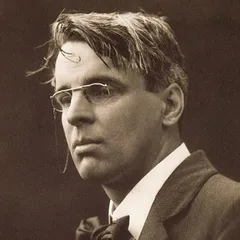
Meet the Author
W. B. Yeats
Irish · 1865–1939 · Poet and playwright
Portrait: George Charles Beresford, Public domain, via Wikimedia Commons
An Irish poet and playwright who helped lead the Irish Literary Revival, served in the Irish Senate, and won the Nobel Prize.
2 StoryBites Editions2 Poems
Why read W. B. Yeats?
Yeats kept changing as a poet, from dreamy early lyrics to hard, prophetic poems written after war and revolution. The Second Coming, written in the aftermath of the First World War, imagines order collapsing and a monstrous new age arriving. Read it for images that later writers kept borrowing, from ‘Things fall apart’ to the beast that ‘Slouches towards Bethlehem.’
A life in six dates
- 1865Born in Dublin
- 1889Publishes The Wanderings of Oisin and meets Maud Gonne
- 1904Co-founds the Abbey Theatre in Dublin
- 1920Publishes The Second Coming in The Dial
- 1922Appointed to the Senate of the Irish Free State
- 1923Wins the Nobel Prize in Literature
- 1939Dies in the south of France
Themes across the collection
The StoryBites Editions
Context that actually matters
The Irish Literary RevivalYeats, Lady Gregory, and others worked to build a national literature from Irish myth, folklore, and history.
War and revolutionThe poem was written as Europe emerged from the First World War and revolution in Russia, and as Ireland entered its own war of independence.
Yeats’s cycles of historyYeats believed history moves in cycles of about 2,000 years, pictured as widening gyres, and the poem imagines the end of the Christian era.