Meet the Author
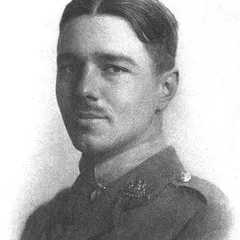
Wilfred Owen
English · 1893–1918 · War poet
Portrait: Unknown authorUnknown author, Public domain, via Wikimedia Commons
An English soldier-poet of the First World War, killed in action one week before the Armistice.
1 StoryBites Edition1 Poem
Why read Wilfred Owen?
Owen wrote about the First World War from inside it, and he meant his poems as a warning. Dulce et Decorum Est moves from exhausted soldiers to a gas attack to a dying man’s face, then calls the old Latin line about the sweetness of dying for one’s country ‘The old Lie.’ Read it for its brutal imagery and for the way its ending answers the patriotic verse of the war years.
A life in six dates
- 1893Born in Oswestry, Shropshire
- 1915Enlists in the British Army
- 1917Meets Siegfried Sassoon at Craiglockhart War Hospital
- 1918Returns to the front in France
- 1918Killed in action in France on November 4
- 1920Poems is published, edited by Sassoon, including Dulce et Decorum Est
Themes across the work
The StoryBites Editions
Context that actually matters
The Western FrontSoldiers in France faced mud, shelling, and poison gas, all of which appear in the poem.
Home-front patriotismRecruiting verse and newspapers urged young men to fight, and one draft of the poem was addressed to Jessie Pope, a writer of such verse.
Craiglockhart and Siegfried SassoonWhile Owen was treated for shell shock at this Scottish hospital in 1917, he met Sassoon, who encouraged his plain, angry style.