Meet the Author
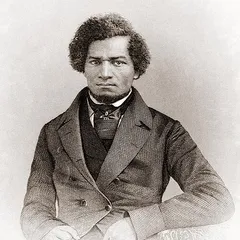
Frederick Douglass
American · c. 1818–1895 · Abolitionist, orator, and writer
Portrait: Engraved by J.C. Buttre from a daguerreotype., Public domain, via Wikimedia Commons
Born into slavery in Maryland, he escaped in 1838 and became a leading abolitionist speaker, writer, and newspaper editor.
2 StoryBites Editions1 Big Book1 Speech or essay1 Full text
Why read Frederick Douglass?
Douglass learned to read while enslaved and became a speaker who could move and shame an audience in the same speech. What to the Slave Is the Fourth of July? praises the nation’s founders, then turns on its listeners and asks what their celebration means to the enslaved. Read it for its structure, its irony, and its use of the nation’s own ideals as evidence against it.
A life in six dates
- c. 1818Born into slavery in Talbot County, Maryland
- 1838Escapes slavery and reaches New York
- 1845Publishes Narrative of the Life of Frederick Douglass, an American Slave
- 1847Founds the North Star newspaper in Rochester, New York
- 1852Delivers What to the Slave Is the Fourth of July? in Rochester
- 1889Appointed U.S. minister to Haiti
- 1895Dies in Washington, D.C.
Themes across the collection
The StoryBites Editions
Context that actually matters
AbolitionismDouglass began lecturing for William Lloyd Garrison’s antislavery movement in the early 1840s and later broke with Garrison over whether the Constitution supported slavery.
The Fugitive Slave Act of 1850The law required Northerners to help return people who had escaped slavery, and Douglass attacks it directly in the speech.
Fourth of July orationsIndependence Day speeches were a common American ritual, and Douglass gave his on July 5 to a Rochester antislavery audience.