Meet the Author
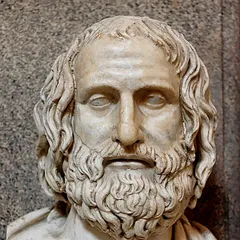
Euripides
Ancient Greek (Athenian) · c. 480 BCE–c. 406 BCE · Tragic playwright
Portrait: Marie-Lan Nguyen, Public domain, via Wikimedia Commons
The youngest of Athens’s three great tragedians, whose plays hand some of their sharpest arguments to women, foreigners, and doubters.
1 StoryBites Edition1 Big Book1 Full text
Why read Euripides?
Euripides takes the old myths and fills them with familiar motives: jealousy, pride, and wounded love. In Medea, a foreign woman abandoned by her husband gets the play’s strongest arguments, then uses them to justify a crime almost no one can forgive. Read him to watch Greek tragedy turn skeptical and psychological.
A life in six dates
- c. 480 BCEBorn, by ancient tradition, on the island of Salamis
- 455 BCECompetes for the first time at the City Dionysia in Athens
- 431 BCEStages Medea, which wins third prize
- 428 BCEWins first prize with Hippolytus
- c. 408 BCELeaves Athens for the Macedonian court, according to ancient tradition
- c. 406 BCEDies, by tradition in Macedonia
- 405 BCEThe Bacchae is staged after his death and wins first prize
Themes across the work
The StoryBites Editions
Context that actually matters
The City DionysiaAthens staged tragedies in competition at this spring festival for Dionysus, and each playwright entered three tragedies and a satyr play.
The Peloponnesian WarAthens went to war with Sparta in 431 BCE, the year of Medea, and the long conflict shadows his later plays about the suffering war brings.
The sophistsPaid teachers of argument were changing how Athenians debated, and Euripides’s characters argue their cases with the same skill.
Reading the plays and snagging on the language? A Glossary of Common Shakespearean Words →